Shanghai Risheng Technology Co., Ltd.


Flame retardant PP is not only used in home appliance industry
When many people hear flame retardant PP plastic, they think it is applied to home appliance materials. In fact, this is just an application of flame retardant PP plastic. In view of its flame retardant characteristics, in fact, in many fields have its use, here to talk about the application of flame retardant PP in the car.
As we all know, during the entire operation of a car, the place with the highest temperature except the tires is the engine. The material of the engine is a very special metal material, and the requirements of the materials used around it are also relatively high. The material must not only have a certain degree of flame retardancy, but also have a high ignition temperature to prevent fire. Automotive materials research and development engineers initially tried a lot of materials without success. Later, after using flame retardant PP plastic, they found that the effect was very good. Some also used nylon materials. First of all, flame retardant PP plastic has a relatively high melting point. Halogen-free flame retardant PP has good flame retardant performance and high ignition temperature, which can reach above 850 ℃. Therefore, even if the engine temperature is very high, it will not cause fire, reduce the probability of accidents. Secondly, the flame retardant PP plastic has low thermal conductivity. Although the engine temperature is very high, it will not affect the normal operation of other parts around, and will not adversely affect the operation of the car. In addition to engines, flame-retardant PP plastics are also used in other parts of automobiles. Different automobile brands and models are also used in different places, such as automotive relays.
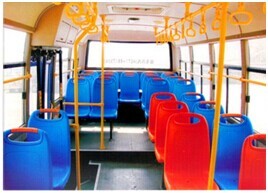
In addition, the bus, as a city important means of transport. In recent years, there have been a number of bus spontaneous combustion incidents and man-made arson incidents across the country, and the results are very heartbreaking. As a crowded place, buses tend to become the main place for criminals to commit crimes, which is one of the reasons. In addition, the flame retardant performance of bus interior materials in China is poor, and even there is no flame retardant, especially the flame retardant grade of plastic and textile products is too low, which is more likely to cause a large number of casualties after fire, and the impact is very bad. Although there are relevant laws promulgated, the standards are low and the implementation is not in place. The Fire Protection Law promulgated in 1998 and a series of supporting regulations have stipulated that flame retardants must be used in many areas such as public places and transportation. Fireproof materials. The requirement of GB8410 is that "the combustion characteristics of interior materials must meet the burning speed is not 100 mm/min".. GB13094-2007 "Passenger Car Structure Safety Requirements" also requires that the inner wall, inner roof, inner and outer decorative parts of the carriage should be made of flame retardant materials, and its flame retardancy should comply with the provisions of GB8410. This threshold is very low, and there is only a very simple requirement for the flame retardant performance of automotive interior materials, which is not enough to play a role in fire prevention, so this standard needs to be revised and improved urgently.
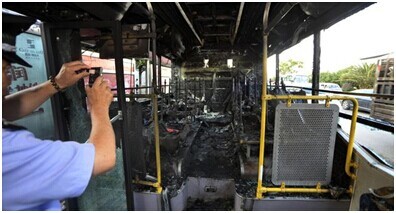
The use of flame retardant materials and products to prevent personal injury and the occurrence of malignant fires is one of the effective methods and protective measures for public transport practice in advanced countries for many years. Foreign experience and regulations show that when all kinds of products used in public places are subject to mandatory flame retardant requirements, especially after halogen-free flame retardant requirements, the probability of vicious fires is greatly reduced, and property losses and casualties are further reduced. Foreign public transport flame retardant need to meet two conditions to achieve clean environmental protection: one is the material to meet the halogen-free requirements, the second is the shell material fire retardant smoke density requirements, but the domestic public transport does not meet these two conditions. Halogen-free flame retardant materials reflect the scientific, reasonable, green, humanistic concept, is to adapt to the future development of new energy, only in the promotion of public transport in the process of the use of environmentally friendly, pollution-free, safe public transport, so as to make the entire public transport system green, environmental protection, convenient, to make it more scientific and reasonable.





Shanghai Sunny Technology Co., Ltd.
Telephone:18721778701
E-mail:marketing@shsunny.com
Address: 619 Jinzhang Highway, Jinshan District, Shanghai