Shanghai Risheng Technology Co., Ltd.


How much do you know about flame retardant materials?
As the name implies, flame retardant material refers to a kind of material that can prevent or delay combustion and is not easy to burn. Common such as flame retardant PP, flame retardant PA, flame retardant ABS, etc. These flame retardant materials all achieve flame retardant effect by adding flame retardant. They usually have excellent flame retardancy, high glow wire and high CTI value, and are well-known such as plastic Yian.™Such materials have been widely used in various fields. However, there are still a small number of flame retardant materials that may not be very familiar to everyone. Such materials do not need to add flame retardants to achieve flame retardant effects, that is, flame retardant engineering plastics. Flame-retardant engineering plastics, while having excellent flame retardancy, usually also have other excellent properties, such as strength, dimensional stability, chemical resistance and abrasion resistance, etc.
Flame retardant engineering plastics mainly include: polyetheretherketone (PEEK), polyetherimide (PEI), polyphenylene sulfide (PPS), polyvinylidene fluoride (PVDF), polyphenylsulfone (PPSU), polyethersulfone (PES) and liquid crystal polymer (LCP). Other polymers such as PC, PVC, modified polyphenylene oxide (PPO), etc. have certain flame retardancy, but a certain amount of additives are needed to improve this performance. Below the author of the first four more common flame retardant engineering plastics for a brief summary:
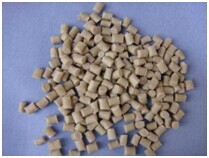
PEEK: Polyetheretherketone
PEEK is a linear aromatic semi-crystalline polymer with a service temperature of 260°C. The combustion grade of PEEK 1.45mm can reach V-0, and the emission of smoke and toxic gases is extremely low during the combustion process. In addition, PEEK is extremely resistant to chemicals, hot water and hot steam. At present, many automobile parts are manufactured with PEEK resin, such as gears, bearings, etc. In the chemical process industry, many pumps and valves are made of PEEK, and PEEK resin is often seen in oil well equipment and semiconductors. PEEK can be processed by injection, extrusion and compression molding.
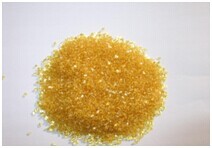
PEI: Polyetherimide
PEI is an amorphous polymer with a continuous service temperature of up to 180°C and is highly resistant to hydrocarbons, halogen-containing solvents, water and automotive liquids. A 0.25mm strip can achieve V-0 grade, has low smoke emissions, can withstand a variety of chemicals, and has high strength, modulus and high temperature creep resistance. In the manufacture of automotive parts, PEI can replace metal in the manufacture of dampers, sensors, air conditioners, ignition system components, and transmission system accessories. The flame retardancy of PEI, as well as its low smoke and toxic gas emissions, have also led to the use of this material in aerospace applications such as gas and fuel valves, steering wheels, interior surfaces, food trays, etc. Electronic lighting components such as connectors and reflectors made of PEI materials are also used to take advantage of the flame retardancy of the polymer. PEI can be processed by injection molding, and the wall thickness of the parts produced can reach 0.25mm.
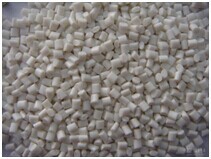
PPS: Polyphenylene Sulfide
PPS is a semi-crystalline polymer, its molecular structure is composed of sulfur atoms and benzene rings alternately connected, PPS resin has high thermal stability and chemical stability. The use temperature of PPS resin is 200 ° C., and there is a tendency of coking in the combustion process, which is beneficial to prevent the spread of flame. 1.5mm thick PPS spline flame retardant level can reach V-0 grade. Most PPS resins are made into parts by adding glass fibers and mineral fillers. These materials have high modulus, creep resistance and chemical resistance, and can be precision molded to manufacture parts with high tolerance requirements.
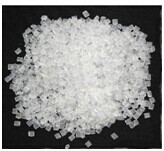
PVDF: polyvinylidene fluoride
In addition to flame retardancy, PVDF also has strong rigidity, abrasion resistance, corrosion resistance, chemical stability and good weather resistance. At 149°C, PVDF is still able to maintain mechanical properties. PVDF can be made into profiles, sheets, pipes and membranes, and is generally used in chemical storage and processing equipment, fluid handling, semiconductor equipment, automobiles, construction, electronics and other fields.
Flame retardant engineering plastics because of some of its incomparable excellent performance, usually these materials are more expensive than those that do not have flame retardant materials, but in high performance requirements and high flame retardant applications such materials can play a useful role.




Shanghai Sunny Technology Co., Ltd.
Telephone:18721778701
E-mail:marketing@shsunny.com
Address: 619 Jinzhang Highway, Jinshan District, Shanghai