Shanghai Risheng Technology Co., Ltd.


Influence of Polypropylene Material Selection on Washing Machine Wave Wheel
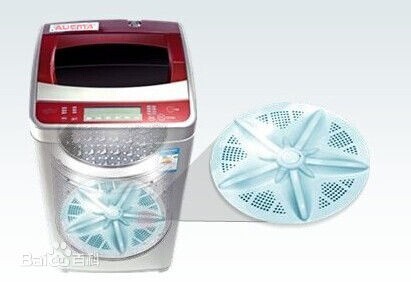
Wave wheel washing machine is a kind of washing machine, its structure is relatively simple, easy maintenance, high cleaning rate, is widely used. The pulsator in the washing machine carries the key link of the washing process. Through the positive and negative rotation of the pulsator, the clothes are driven to turn up, down, left and right continuously, so that the clothes, clothes and the barrel wall are softly rubbed in the water to realize decontamination and cleaning by the action of detergent. The structure of the existing washing machine pulsator is mainly divided into large pulsator and concave pulsator.
Polypropylene (PP) due to light weight, wide source, non-toxic, chemical resistance, non-absorbent, low density, easy processing molding and excellent mechanical properties and cost performance, making the current market for the preparation of washing machine pulsator materials are mostly polypropylene materials. And the existing washing machine pulsator due to industry standards are not uniform, detection means is not perfect, resulting in the use of polypropylene material is uneven, complex, these phenomena directly led to the washing machine in the use of various problems in the process of the user. Based on many years of research and development experience, the author discusses the common problems in the use of washing machine pulsator from the perspective of formula design and the matters that should be paid attention to in the selection of materials.
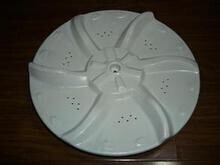
Wave wheel surface wear
The surface of the pulsator is scratched and worn seriously after a period of use. This is due to the use of polypropylene wear resistance is poor, in the selection of polypropylene substrate, the choice of high molecular weight, high crystallization, surface hardness of PP. At the same time, the corresponding scratch-resistant and wear-resistant additives can be added, and if the type of scratch-resistant additives is selected improperly, it will lead to precipitation failure during use, resulting in a decrease in wear resistance. When selecting scratch-resistant additives, it is necessary to choose those with good compatibility with PP and close solubility parameters. Silicones and amides with small molecular weight should be avoided. Silicones with large molecular weight can be selected, and inorganic nano materials can also be tried.
2. Bacterial reproduction on the wave wheel
The wave wheel in the use of the process of the existence of the corner of the colony reproduction. This is related to the type of antibacterial masterbatch. At present, the antibacterial masterbatch added is mainly inorganic type (silver series, zirconium phosphate salt), which can be sterilized with long-term effect, but the preparation process is too complicated to be conducive to production, and is rarely used at present. Natural organic type (chitosan, sorbic acid), polymer synthetic type (polythiazole, etc.), while natural organic type should be avoided as far as possible when selecting antibacterial masterbatch added to PP, which has good short-acting sterilization effect, but long-term easy to produce resistance, and easy to precipitate failure. PP material with synthetic polymer antibacterial masterbatch can be selected. The polymer synthetic class directly introduces antibacterial group into the group, has good compatibility with PP, and can resist precipitation to achieve long-term sterilization.
3. The pulsator turns yellow and cracks appear.
These two phenomena are due to the poor chemical resistance of the pulsator. Wave wheel in the use of the process of continuous contact with detergent, grease, alcohol and other substances caused by surface oxidation. Manufacturers in the selection of materials is to try to choose pure PP raw materials, avoid the use of ABS,PA and other plastics and PP alloys, but also add some chemical resistant additives.
4. Residual grease on the surface of the pulsator
This phenomenon is also a common problem in many pulsator washing machines at present. After long-term use, grease adhesion occurs on the surface of the pulsator, especially at the central shaft, which is difficult to remove. At present, it has not received enough attention from washing machine manufacturers and users. Because polypropylene plastic has good affinity with oil and fat substances with small polarity; and polypropylene plastic has high surface energy relative to oil substances, and oil substances are easy to wet. This natural attribute of PP makes oil stains and the like accumulate on the surface of the pulsator for a long time. At present, some scholars pointed out that the use of oleophobic polyamide (PA) and PP blend, but because of the poor compatibility between the two is difficult to achieve. The author has done relevant research. The introduction of corresponding unsaturated fatty acids and unsaturated chain hydrocarbon groups into PP can significantly improve the lipophilicity of PP, and at the same time, some electron-seizing substances are added to form an 8-electron stable structure. The above methods can significantly improve the contact angle of PP surface to oil and fat substances and reduce the adhesion of PP surface oil and fat. It is suggested that washing machine manufacturers should gradually include the polarity and grease resistance of PP materials in the selection of materials.




Shanghai Sunny Technology Co., Ltd.
Telephone:18721778701
E-mail:marketing@shsunny.com
Address: 619 Jinzhang Highway, Jinshan District, Shanghai