Shanghai Risheng Technology Co., Ltd.


The development trend of flame retardant materials-safer and more environmentally friendly
With the development of China's economy, the amount of polymer materials such as plastics and rubber has increased rapidly. Green, environmental protection and recyclability are the development trend of polymer materials in the future. As an important part of polymer materials, flame retardant polymer materials pay more and more attention to non-toxic research, so that products can truly become pollution-free and environmentally friendly products.
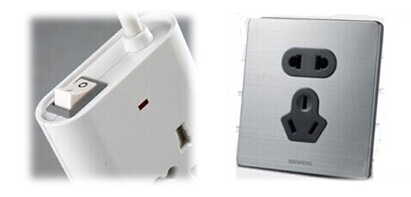
Undoubtedly, with the preparation of flame retardant materials, the most important thing is the choice of flame retardant, and flame retardant has now become one of the important additives for plastic processing. In terms of output and dosage, it has become a plastic additive second only to plasticizers. According to whether it contains chlorine, bromine and other halogens, flame retardants can be divided into halogen-containing flame retardants and halogen-free flame retardants. According to a rough estimate, the total amount of flame retardants in the world in 2013 has reached more than 2 million tons/year, of which 78% are halogen-containing additive flame retardants and 22% are halogen-free reactive flame retardants. As an organic halogen-free system, phosphorus-based flame retardants will grow rapidly in the future. At present, the total sales of phosphorus-based flame retardants in the world account for about 16% of the total sales of flame retardants. The application of halogen-containing flame retardant materials is limited due to the large amount of smoke emitted during the combustion process of flame retardant products prepared by halogen-containing flame retardants, low ignition temperature and environmental protection policies. On the contrary, halogen-free flame retardant materials have received more and more attention due to their superior performance. It is expected that the total amount of halogen-free flame retardants in the world will continue to grow at an average annual rate of 8% to 15% in the next 5 years.
Flame retardant polypropylene as an important part of flame retardant products, the proportion of halogen-free flame retardant in 2012 has reached 35%. The components made of this new type of flame retardant plastic can not only meet the increasingly stringent flame retardant standards, but also meet the ecological requirements, and have strong competitiveness in the international market. Its performance can be comparable with the traditional brominated flame retardant products, and the price is not high, the processing performance is also good.
Material performance comparison:




Shanghai Sunny Technology Co., Ltd.
Telephone:18721778701
E-mail:marketing@shsunny.com
Address: 619 Jinzhang Highway, Jinshan District, Shanghai